- ★4.8/5 from 2,140+ verified buyers
- 🛡90-Day Warranty on every part
- 🚚Flat-Rate Freight · Insured & Tracked Nationwide
- ✓VIN-verified fitment before we ship
- 🇺🇸Ships nationwide from US locations
- 💳Financing available — pre-qualify in minutes
- ↩24-hour free cancellation
- 🔧A-grade, tested OEM parts
WHO WE ARE
Upcycled OEM auto parts, done right
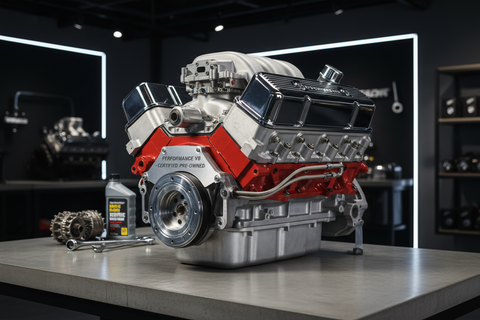
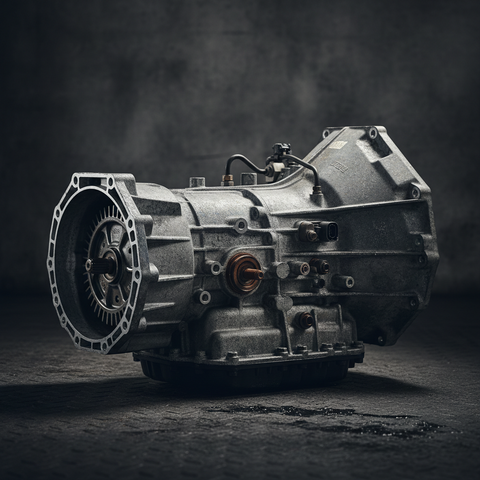
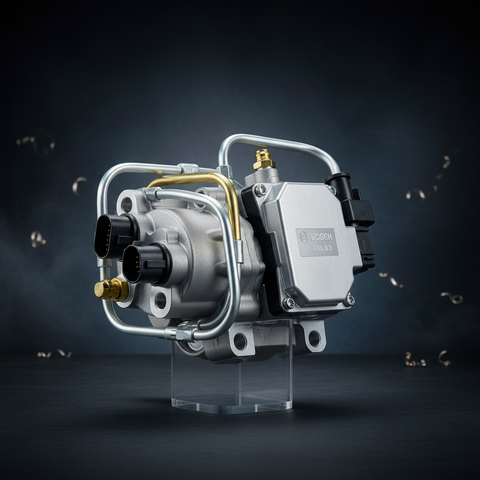
Best Use Auto Parts is one of the leading providers of upcycled OEM auto parts in the United States. As nationwide dealers for the automotive industry, we deliver high-quality engines, transmissions, transfer cases, and turbochargers at affordable prices to thousands of happy customers.
We understand that every customer counts. We personalize every order and strive to provide a rewarding, hassle-free shopping experience. Best Part! Best Use gets you the best price, for your best use — every time.
36+
Vehicle brands carried
90-Day
Warranty on every part
VIN
Verified fitment on every part
USA
Nationwide shipping
Shop by part type
Browse our most-requested parts
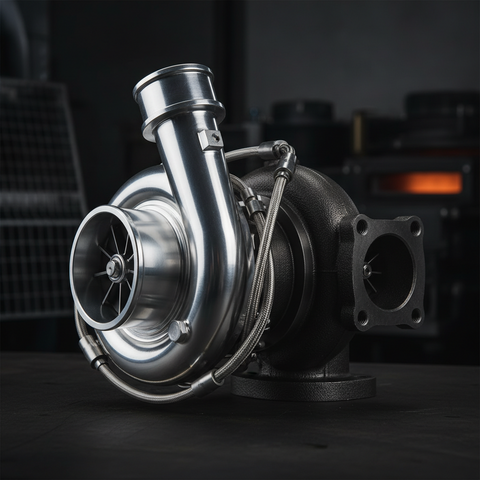
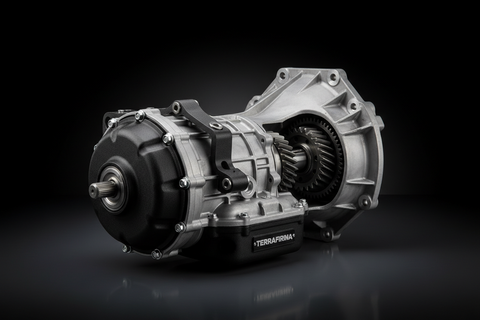
Why thousands trust Best Use
Used parts, sold with new-part confidence
✓
VIN-Verified Fitment
We match every part to your vehicle's VIN and confirm exact fitment before we ship. Not right? Cancel free within 24 hours of ordering.
⚙
Tested Before It Ships
Every unit is inspected and tested before it ships — specs verified, not estimated. Photos of your exact unit are available on request and sent before we ship.
🚚
Flat-Rate Freight
Heavy parts ship fully insured and tracked. Freight is a flat $250 commercial / $400 residential, shown clearly at checkout — never a hidden surprise.
🛡
Backed by 90-Day Warranty
A real parts-replacement warranty, with extended coverage available. Not "as-is and good luck."
How it works
From VIN to delivered in 3 steps
1Enter your vehicle or VIN
Tell us what you drive. We instantly match parts confirmed to fit your exact vehicle.
2Buy online, securely
Pick your verified part and check out. Your 90-day warranty is included, and freight is a clear flat rate shown at checkout.
3We ship it tested & insured
Your part ships fast on a tracked, insured pallet — straight to your door or shop.
Not sure which part you need?
Our parts experts will confirm exact fitment for your vehicle in 60 seconds.

Financing available
Pay over time — pre-qualify in minutes
Instant decision · soft credit check (no score impact) · all credit types welcome. See your options below.
Pre-qualify now — soft check, no score impact →Financing provided by PayTomorrow, a third-party lender. Checking your options is a soft inquiry and won’t affect your credit score. Approval, rate, and terms are set by the lender.
FAQ
Questions buyers ask us
Are your used auto parts covered by a warranty?
Yes. Best Use Auto Parts includes a 90-day warranty on every part from the date of delivery. If a covered part fails within that period, we repair or replace it.
How do you make sure a part fits my vehicle?
We use VIN matching. You provide your 17-character VIN and we verify the exact part for your specific year, make, model, and trim before it ships — so it fits the first time.
Are these genuine OEM parts?
Yes. We deal only in A-grade, genuine OEM parts sourced from dealerships across the United States — never cheap aftermarket imitations.
How much can I save versus buying new?
Customers typically save 50-70% compared to new dealership parts, while getting the same OEM quality and a warranty.
Do you ship nationwide, and is shipping included?
Yes — we ship across the entire USA. Engines & transmissions ship by freight truck at a flat rate: $250 to a commercial address, $400 to a residential address. Turbochargers and transfer cases ship for a flat $40, and ABS units ship FREE. Always insured and tracked.
How long does delivery take?
Most orders ship within 3–5 business days approx and typically arrive within 5–7 business days after shipment. Delivery times may vary depending on location, carrier, weather, and freight terminal schedules. You receive tracking the moment it ships.
Can I finance my purchase?
Yes. We offer financing through a third-party lender with an instant decision. Checking your approved amount is a soft credit check and won’t affect your credit score.
What if I’m not sure which part I need?
Call our parts experts and we’ll confirm exact fitment for your vehicle, usually in about 60 seconds. We’re a real business with a real phone number.
TIPS & GUIDES
From our blog
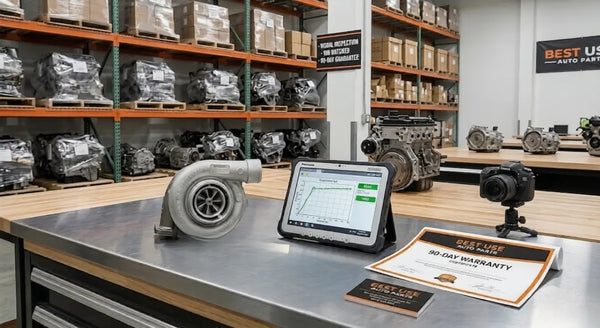
Mar 27, 2026
How to Spot a Reliable Used Auto Parts Seller Online
Start with the Basics: Real Business, Real People ...
Read more →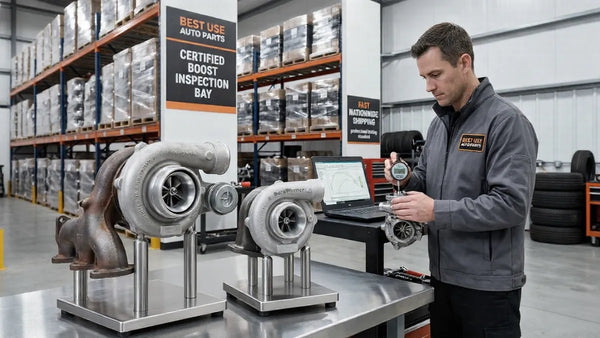
Mar 19, 2026
Used Turbochargers Near Me: Finding Quality OEM Boost Locally
When your engine loses power and that dreaded "Under boost" code pops up on your dashboard, your first instinct is to search...
Read more →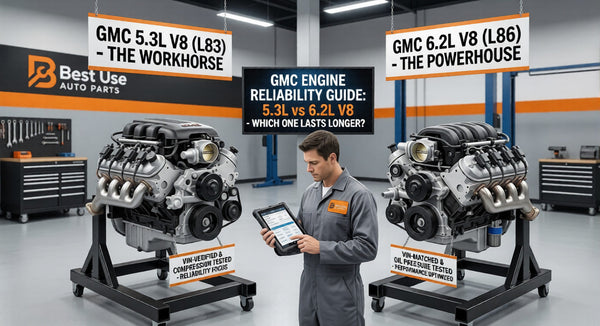
Mar 06, 2026
GMC Engine Reliability Guide: 5.3L vs 6.2L V8 – Which One Lasts Longer?
GMC Sierra and Yukon owners expect "Professional Grade" performance. But when the heart of your truck needs attention, a common question arises:...
Read more →BRANDS WE WORK WITH
Parts for 36+ vehicle brands
Genuine OEM engines, transmissions, transfer cases, and turbochargers for the brands you drive.
Acura
Audi
BMW
Buick
Cadillac
Chevrolet
Chrysler
Dodge
Fiat
Ford
Freightliner
GMC
Honda
Hyundai
Infiniti
International
Isuzu
Jaguar
Jeep
Kenworth
Kia
Land Rover
Lexus
Lincoln
Mazda
Mercedes Benz
Mini
Mitsubishi
Nissan
Peterbilt
Porsche
Ram
Subaru
Tesla
Volkswagen
Volvo
SUCCESS STORIES
What our customers say
★★★★★
Purchased a 2005 Ford Ranger 3.0 engine. The motor shipped on time and my mechanic was really satisfied with the condition, miles, and everything. Best price A-grade OEM parts in the market — looking to do future business with them.
★★★★★
I bought an auto transmission — the price and service were second to none. I live in Binghamton NY and it was in my driveway in 5 days at no extra cost. The whole deal took about 10 minutes. The service is awesome!
★★★★★
Dealt with them for my Ford F-150 engine — exceptional service. More than happy with their warranty policy. They work with the customer's interest. All A-grade products, superb delivery timing. My truck runs super smooth now.
★★★★★
Professionals who know the auto part business inside and out. Locating my Jaguar engine and transmission took about a week, and they stayed in touch the entire time. I highly recommend BUAP.
★★★★★
Purchased an Acura TL transmission. At first I was skeptical, but I found they're registered with the BBB, so I took a shot. My experience was smooth and the part was delivered as promised!
★★★★★
Bought an engine and a transmission — installed, car is running great, couldn't be happier. Really appreciate all the help finding that engine. Quite a team there.
SECURE PAYMENTS
Pay your way — safely
All major cards accepted, plus financing. Every transaction is encrypted and secure.
VISA
Mastercard
Amex
Discover
Shop Pay
Financing
🔒 256-bit encrypted✓ PCI-compliant checkout💳 Financing available
WARRANTY & RETURNS
Buy with confidence - you’re covered
Every part is tested, VIN-matched, and backed by a real 90-day warranty. Free cancellation within 24 hours - and if anything's not right after that, we make it right.
🛡️
90-Day Warranty
Every part carries a 90-day warranty from the day it’s delivered. If a covered part fails, we repair or replace it.
↩️
Works on Arrival
If your part arrives defective, we replace it fast — and in the rare case we can't replace it, you get a full refund. No runaround.
🔧
Tested A-Grade OEM
We deal only in A-grade, genuine OEM parts — inspected and tested before they ship.
✓
VIN-Verified Fit
We match every part to your VIN, so it fits your exact vehicle the first time.